October 1, 2026
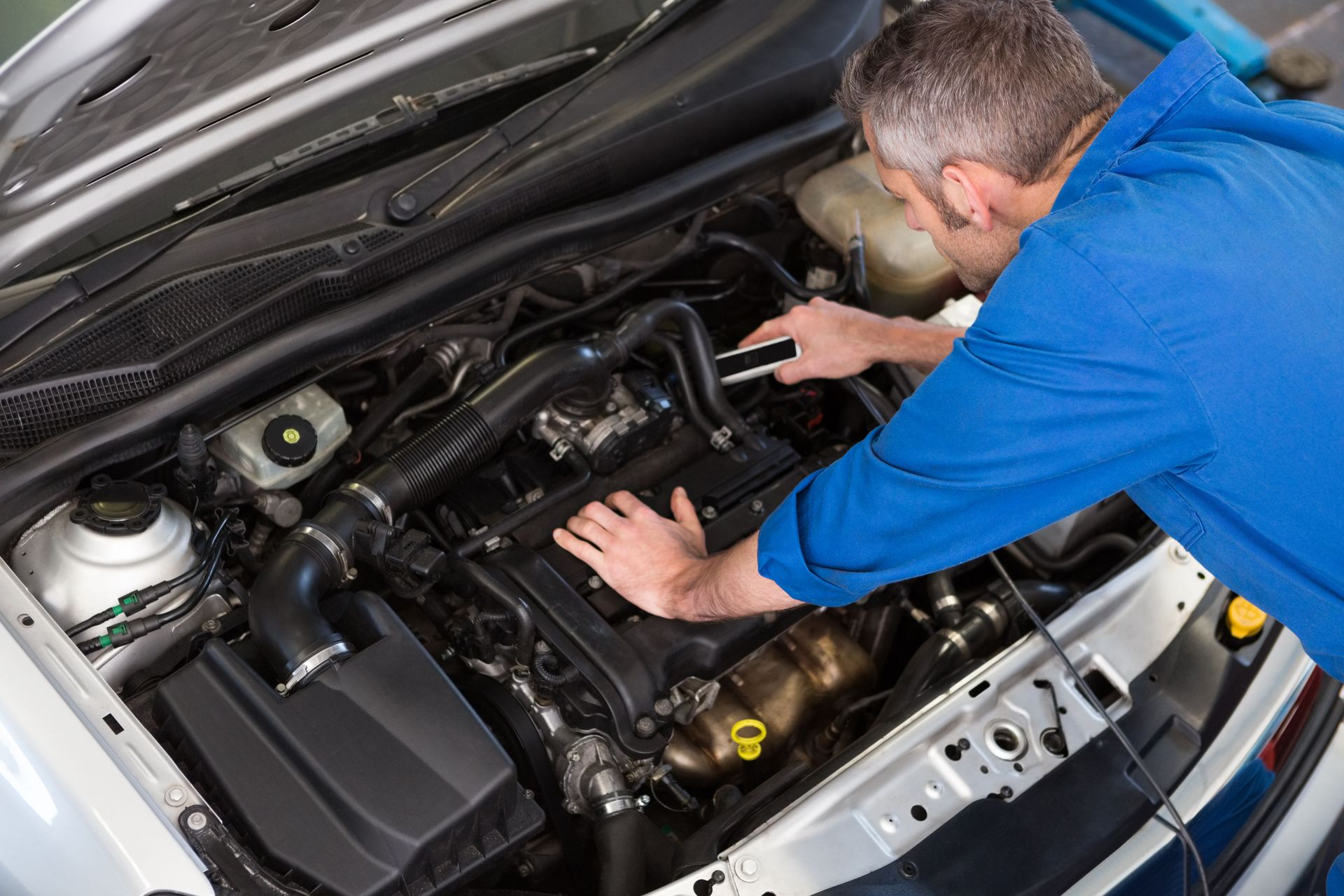
Understanding routine auto repairs can help car owners identify issues early and maintain their vehicles effectively. As cars become more complex, knowing the basics of necessary auto repairs can save drivers both time and money. Regular maintenance and vigilance in addressing small mechanical issues can prevent larger, more costly auto repairs down the road. We'll delve into the causes, symptoms, and preventive measures for each major category of vehicle maintenance.
1. Brake System Repairs
Brake Pad Replacement
Brake pad replacement is one of the most prevalent auto repairs in the automotive world. Typically, brake pads need to be replaced every 30,000 to 50,000 miles, although this can vary depending on your driving habits and road conditions. Worn-out brake pads can severely compromise stopping power and may cause severe damage to the rotors and calipers. Signs that indicate the need for new brake pads include a screeching noise, longer stopping distances, and a spongy brake pedal. It's important to address brake pad issues promptly to maintain overall vehicle safety.
Rotor Resurfacing or Replacement
Rotors can often be resurfaced, offering a cost-effective alternative to full replacement during routine auto repairs. Rotor resurfacing involves smoothing out the surface to eliminate grooves and reduce vibrations. However, in cases of severe wear or warping, full rotor replacement may be necessary. Regular inspections can help detect rotor issues early, preventing them from escalating into more serious problems. Timely servicing of the rotor can extend the life of both the rotors and the brake pads.
Brake Fluid Leak Repairs
Brake fluid is essential for the hydraulic system, and any leaks can lead to a dangerous drop in pressure and braking efficiency. If the brake fluid is leaking, you may notice a decrease in braking power or an illuminated brake warning light. These essential auto repairs often involve replacing the damaged hoses or seals to restore the system's integrity. According to Gitnux, about 20% of auto repairs are caused by improper maintenance or neglect. Regular maintenance checks can prevent leaks and ensure a responsive brake system.
ABS System Repairs
The Anti-lock Braking System (ABS) helps maintain steering control during hard braking. A malfunctioning ABS is often indicated by a warning light on the dashboard. Common causes of ABS issues include damaged sensors, faulty wiring, or a failed ABS module. Necessary auto repairs may involve cleaning or replacing sensors, fixing the wiring, or replacing the module. Ensuring the ABS system functions correctly can prevent accidents in emergency braking situations.
Handbrake Cable Adjustment
The handbrake, or emergency brake, is a vital backup system for your vehicle. Over time, the handbrake cable can stretch, leading to decreased efficacy. Adjusting the handbrake cable can ensure it holds the vehicle securely, especially on inclines. If not addressed, a loosely adjusted handbrake can lead to vehicle rollaway scenarios. Routine checks and minor auto repairs can help maintain the reliability of this vital braking component.
2. Engine Repairs
Oil Leak Repairs
Oil leaks are a common issue affecting many vehicles, often resulting from degraded gaskets, seals, or improper oil filter fits. Leaks can lead to dangerously low oil levels, which in turn can cause severe engine damage if not addressed quickly. Identifying leaks early by checking for oil spots under the car or monitoring the oil level can prevent significant complications. Executing these auto repairs typically involves replacing the defective seals or gaskets. Regular oil and filter changes are critical preventive measures for avoiding leaks.
Timing Belt Replacement
The timing belt is crucial for synchronizing the engine's valves and pistons. A worn or broken timing belt can cause catastrophic internal engine damage and leave you stranded on the side of the road. Typically, replacement is recommended every 60,000 to 100,000 miles, depending on the vehicle's make and model. Symptoms of a failing timing belt include unusual slapping noises, engine misfires, or the engine failing to start. Proactive auto repairs based on manufacturer guidelines can prevent unexpected engine failures.
Ignition Coil Replacement
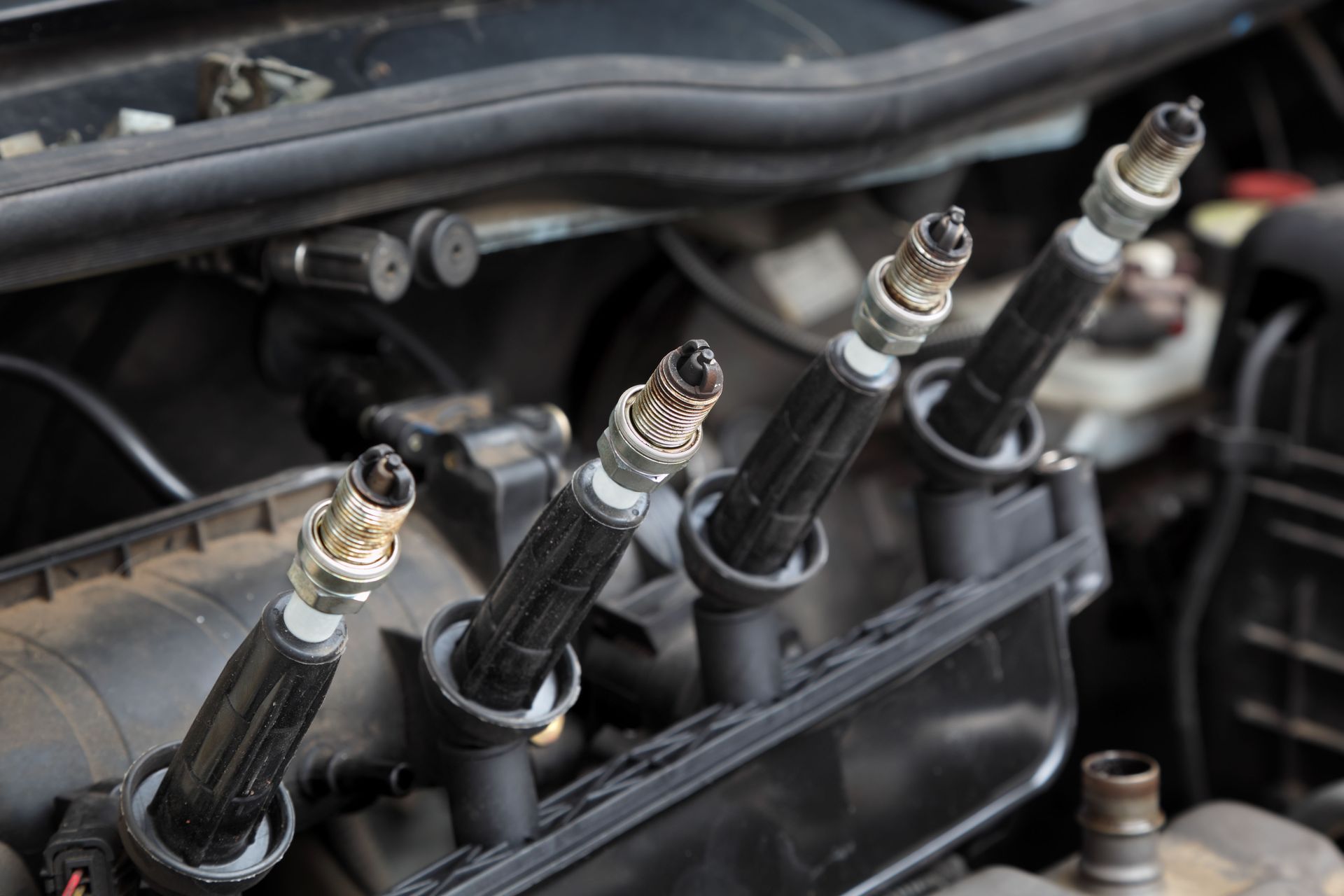
Ignition coils are essential components that transform battery voltage into the electrical spark needed to ignite the fuel. Faulty ignition coils can cause engine misfires, rough idling, or the check engine light to illuminate. Timely auto repairs involving coil replacement can restore lost engine performance and fuel efficiency. Testing for specific coil failures can be done using OBD-II diagnostic tools to identify the faulty component. Regular inspections can help address coil issues before they impact engine operations significantly.
Fuel Injector Cleaning and Repair
Fuel injectors play a key role in delivering fuel to the engine combustion chamber efficiently. Over time, injectors can become clogged with carbon deposits, leading to poor engine performance, reduced fuel efficiency, and increased tailpipe emissions. Cleaning or executing fuel-system auto repairs can restore optimal engine function and efficiency. Professional cleaning involves using specialized pressure machines, while severe clogging may require complete injector replacement. Preventive maintenance, such as using high-quality fuel and additives, can help keep injectors clean.
3. Exhaust System Repairs
Muffler Replacement
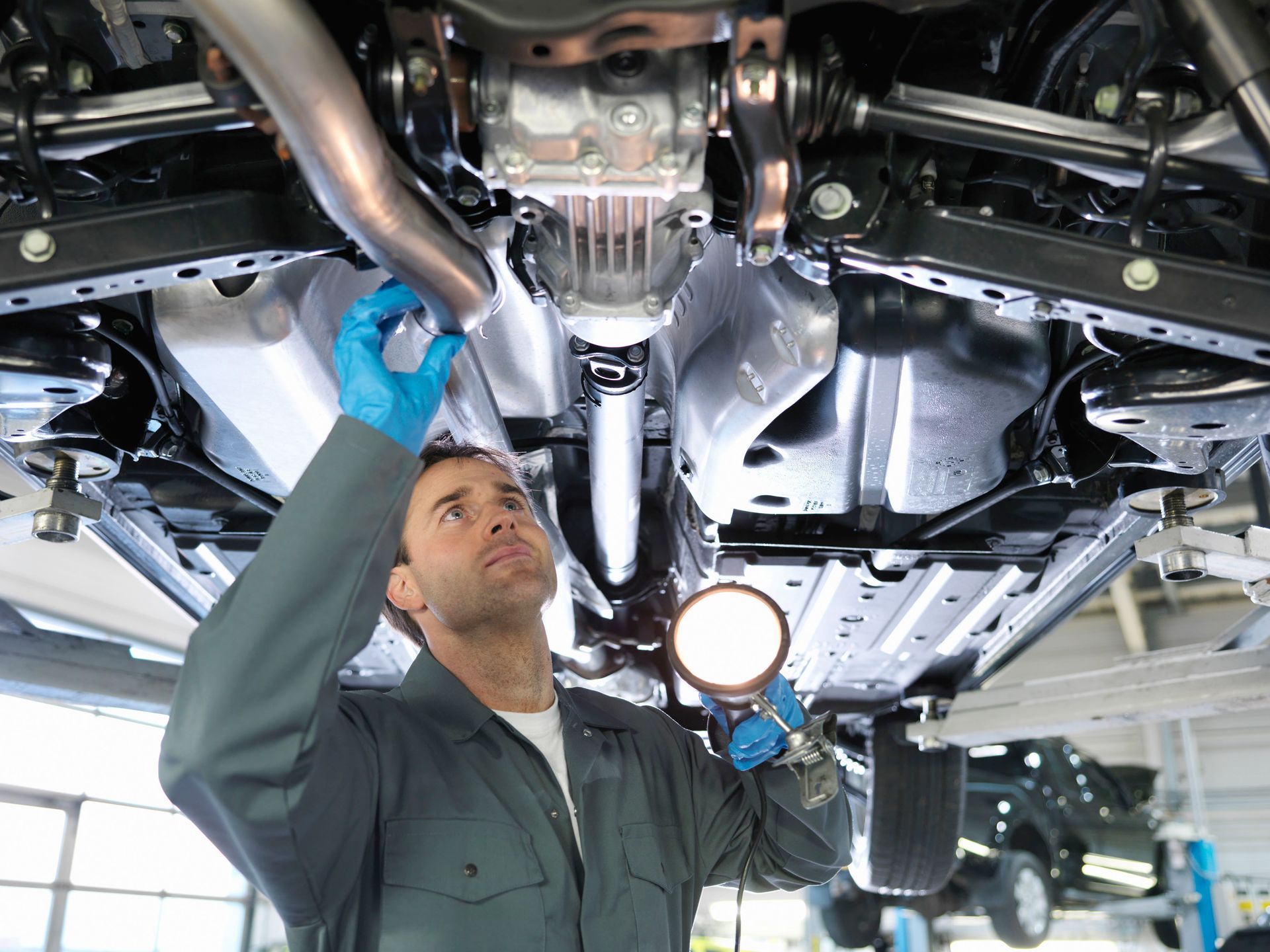
The muffler dampens raw engine combustion noise and safely directs exhaust gases out the rear of the vehicle. A damaged or rusted muffler may result in loud exhaust roaring, floorboard vibrations, or dangerous exhaust leaks. Executing muffler replacement auto repairs can restore quiet operation and optimal backpressure efficiency. Regular underbody inspections can detect rust holes before they impact vehicle performance. Maintaining the muffler ensures compliance with noise ordinances and optimizes exhaust system function.
Exhaust Pipe Repairs
Exhaust pipes channel hot exhaust gases away from the engine manifold and passenger cabin. Damaged or cracked pipes cause loud exhaust leaks, sluggish vehicle performance, and increased carbon monoxide risks. Welding or replacing damaged sections of pipe are common exhaust-system auto repairs. Regular inspections can detect pipe rust early, preventing more extensive exhaust system damage. Ensuring exhaust pipes are in good condition maintains engine backpressure and reduces environmental impact.
Catalytic Converter Replacement
The catalytic converter reduces toxic tailpipe emissions by chemically converting pollutants into less harmful gases. A failing converter can lead to sluggish engine performance, rotten-egg exhaust smells, and an illuminated check engine light. Replacement auto repairs are necessary if the internal honeycomb catalyst becomes clogged or melted. According to Gitnux, about 20% of auto repairs are caused by improper maintenance or neglect, emphasizing the importance of regular checks. Maintaining a functional catalytic converter supports environmental compliance and vehicle efficiency.
Oxygen Sensor Replacement
Oxygen sensors monitor unburned oxygen in the exhaust stream, allowing the engine computer to optimize the air-fuel mixture. Faulty O2 sensors cause poor fuel economy, rough idling, high emissions, and engine performance issues. Replacing defective sensors with fresh auto repairs can improve fuel efficiency and lower emissions. Regular diagnostic scans can detect failing sensors early, ensuring optimal engine combustion. Maintaining oxygen sensors is crucial for fuel economy and environmental compliance.
Regular maintenance and timely auto repairs can significantly extend the operational lifespan of any vehicle. By familiarizing yourself with these common auto repairs, you can save significant time and money while ensuring a safe, reliable driving experience. Vigilance in addressing minor mechanical issues and recognizing early warning symptoms can prevent the vast majority of catastrophic vehicle failures. Engaging in preventive maintenance routines and seeking expert mechanical advice when needed are essential strategies for long-term vehicle health. Ultimately, proactive attention to necessary auto repairs not only enhances overall driving performance but also offers complete peace of mind on the road. Call Auto Tech Imports today to schedule your auto repairs.